
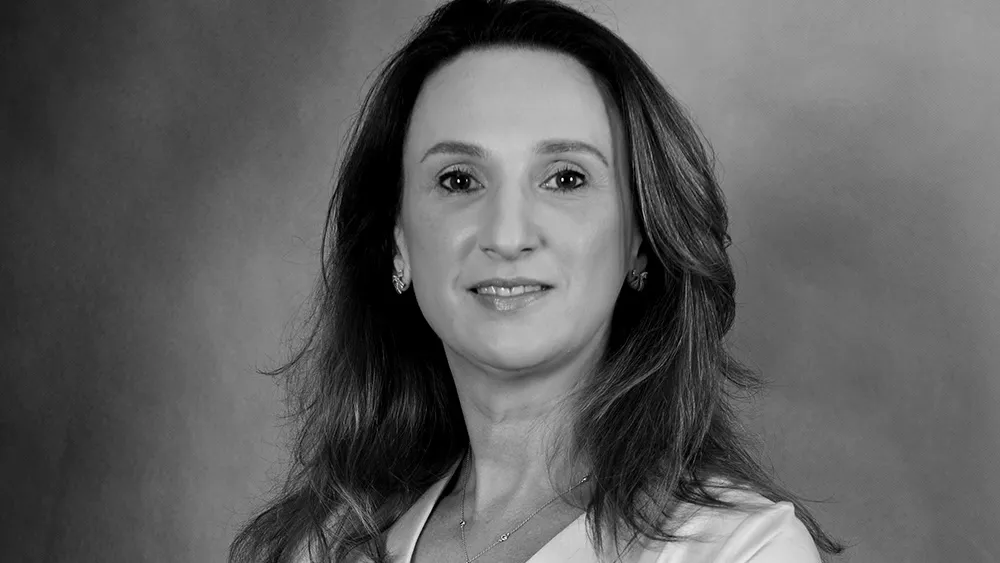
Museu de Arte de São Paulo (MASP), one of the world’s most closely observed museums in the art-rich biggest city in Brazil, promoted Flávia Almeida from vice-president to president, to direct the institution after 12 years of leadership by Heitor Martins.
As reported by ArtReview, Almeida “comes from a business and management background,” with a business administration degree from Fundação Getúlio Vargas and an MBA from Harvard University. She sits on the board of Fundação Bienal de São Paulo (for which she previously worked as director), and is chair of the board at São Paulo’s Instituto Tomie Ohtake. Additionally, “she has served as the president and board member of an array of publicly traded and privately held companies, including until 2003 at McKinsey & Company (where Martins is also a partner).”
Related Articles

Teresinha Soares, Brazilian Artist Behind Erotic-Inflected Works That Slyly Defied Taboos, Dies at 99
Kim Yun Shin Has Been Sculpting in Solitude for Decades. The World Has Finally Noticed.
Almeida’s promotion comes a little more than a year after MASP opened a new 14-floor building that cost $43.5 million and expanded the museum’s exhibition space by 66 percent. As noted by ARTnews in March 2025, the opening “represents MASP’s first expansion since it moved to Avenida Paulista, giving the museum 235,300 square feet to work with, more than double its original footprint. The original building, too, has been renamed after Bo Bardi, with the new building carrying the name of Pietro Maria Bardi, the museum’s first artistic director and the architect’s husband.”
About the new incarnation, Adriano Pedroso, MASP’s closely watched curator (who organized the 2024 Venice Biennale, along with numerous other international shows), told ARTnews, “It’s really not supposed to be as grand as Lina’s brilliant building; it doesn’t wish to compete with it. I think it was very gracious of the architects not to attempt to compete with the extraordinary landmark that is the Lina Bo Bardi building.”