
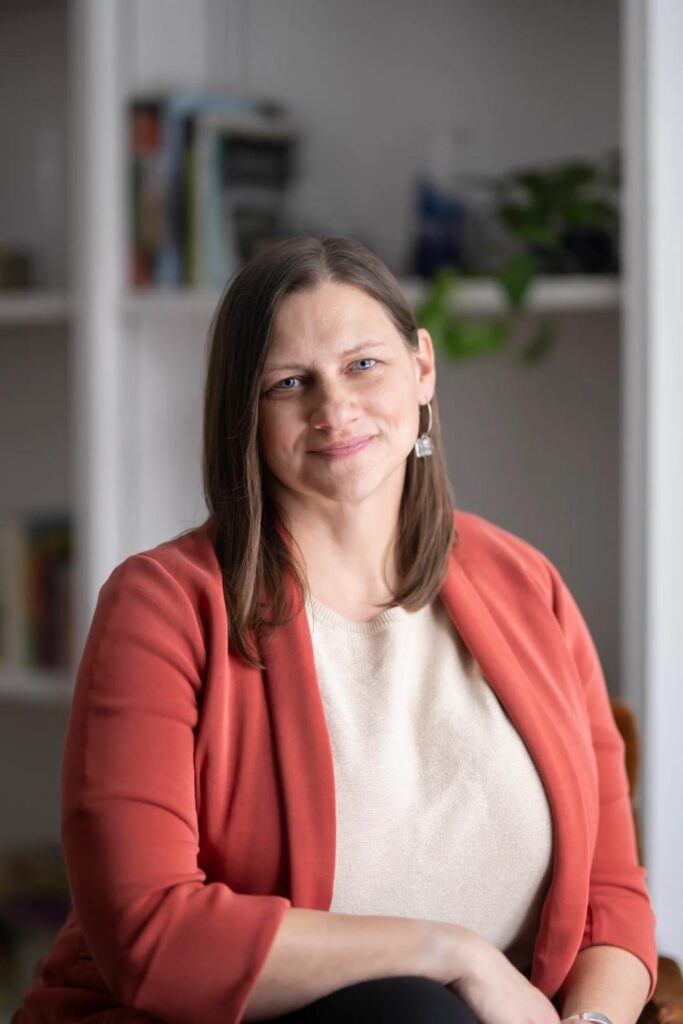
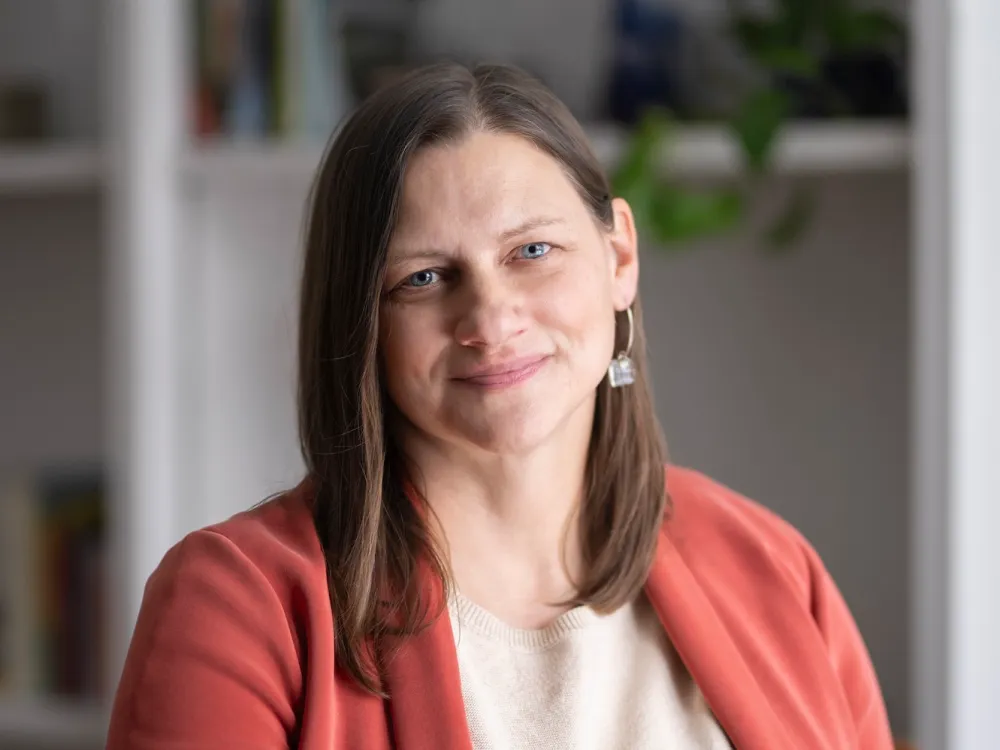
The Walters Art Museum has named Katherine Larson as its chief collections and curatorial affairs officer, a newly created position, and senior curator of Ancient Art. She will oversee curatorial operations, collections, conservation and research at the Baltimore institution and will take up her new role March 30, managing the exhibition calendar and fundraising for the museum, among other duties.
“We are thrilled to welcome Katherine Larson into this role,” said museum executive director and CEO Kate Burgin in press materials. “Katherine’s deep expertise and commitment to community engagement, scholarly excellence, and collections stewardship reflect the museum’s own commitment to access, research, and creating engaging, meaningful experiences for all visitors.”
Related Articles
Walters Art Museum Staffers Vote to Unionize, Ann and Gordon Getty Sale Nets $21.9 M., and More: Morning Links for June 19, 2023
Swiss Museums Investigate Their Collections, a Disputed Lucian Freud Painting, and More: Morning Links for September 20, 2022
Larson has been manager of curatorial affairs and curator of ancient class at the Corning Museum of Glass in Corning, New York since 2024. She previously served as the institution’s curator of ancient glass, from 2019 to 2024, assistant curator of ancient and Islamic glass from 2017 to 2019, and curatorial assistant from 2016 to 2017. Larson earned a PhD in ancient Mediterranean art and archaeology from the University of Michigan and a BA in classical archaeology from Minnesota’s Macalester College. She served a residency at the Walters as part of her fellowship with the Center for Curatorial Leadership in 2024, in which she had former executive director Julia Alexander as a mentor.
“I am thrilled to join the talented and dedicated staff of the Walters Art Museum,” said Larson. “In addition to its exceptional, world-renowned collection, I am inspired by the museum’s commitment to free and meaningful access to art from around the world. Moreover, its programs and engagement with the Baltimore community demonstrate its belief in the value of ongoing and accessible conversations about art and culture.”
Among Larson’s credits at the Corning Museum, she curated exhibitions including “Dig Deeper: Discovering an Ancient Glass Workshop” (2023–24), “Fire and Vine: The Story of Glass and Wine” (2021), “Glass Bridge: A Clear Path to Sustainability” (2024–25), and “What is Glass?” (ongoing). She oversaw the museum’s compliance with the Native American Graves Protection and Repatriation Act (NAGPRA) and partnered with the Onöhsagwë:de’ Cultural Center of the Seneca Nation of Indians on the 500-year history of glass beads and beadwork in Seneca communities.
The Walters Art Museum’s holdings span seven millennia, starting in 5,000 B.C.E., and include some 36,000 objects from around the globe. The museum was founded on the collections of William Thompson Walters, a civil engineer who directed a smelting establishment in Pennsylvania before working as a grain merchant and liquor wholesaler in Baltimore. He left his collection to his son Henry Walters, president of the Atlantic Coast Line Railroad, who expanded it substantially and founded the museum in 1934.
In 2021, as museums tried to reckon with the unflattering parts of their history, the museum released a revised biography of the founding family noting that William and Henry were staunch supporters of the Confederacy and directly benefited from racist labor practices before and during the Civil War. Museum employees had pushed the institution to address structural racism within the institution.
“In order to engage effectively with and serve a city where the majority of the population is Black, we must openly acknowledge our past and speak directly about the work we need to do to change,” said the museum’s director, then known by the name Julia Marciari-Alexander.