Two prominent Iraqi archaeologists were arrested this month, the Art Newspaper (TAN) reported. Many involved fear their arrests are retaliatory, spurred by public comments they made about corruption at the State Board of Antiquities and Heritage (SBAH), which oversees the country’s archaeological sector.
Archaeologist Ali Tabar was arrested on charges of extortion on September 17. He is one of the country’s leading drone surveyors who aerially documents sites before and after excavations and, until recently, was employed by SBAH. He additionally conducted surveys with teams of international archaeologists working in Iraq, which previously includedthe Sapienza University of Rome and the University of Bern.
Related Articles
Rare Cache of Ancient Roman Sculptures Discovered at Chartres
Ancient Roman Settlement Discovered in Austria May Be Lost City of Claudivium
ARTnews reached out to SBAH, the Sapienza University of Rome, and the University of Bern to confirm the arrest with no response by the time of publication.
SBAH claimed that Tabar worked for these international teams without the government agency’s knowledge and illegally received money from them. A Facebook post published on SBAH’s page following Tabar’s arrest said that “The General Authority for Antiquities and Heritage affirms its support for such deterrent measures that stand against any practices that harm the country’s reputation, and ensure the protection and security of the work of foreign missions working in archaeological sites and provide them with a safe and stable scientific environment.”
It continued, “The commission stressed its absolute commitment to fighting financial and administrative corruption in all its forms, emphasizing that it will not tolerate any element that attempts to tarnish the international reputation of the Iraqi archaeological institution, or harms Iraq’s foreign relations with international partners in the field of surveying and excavation.”
Tabar supposedly denied SBAH’s accusations at his hearing and, TAN reported, noted that he may have been arrested due to his campaign against alleged corruption at SBAH, which has allowed for real estate development at the expense of hundreds of archaeological sites over the past ten years.
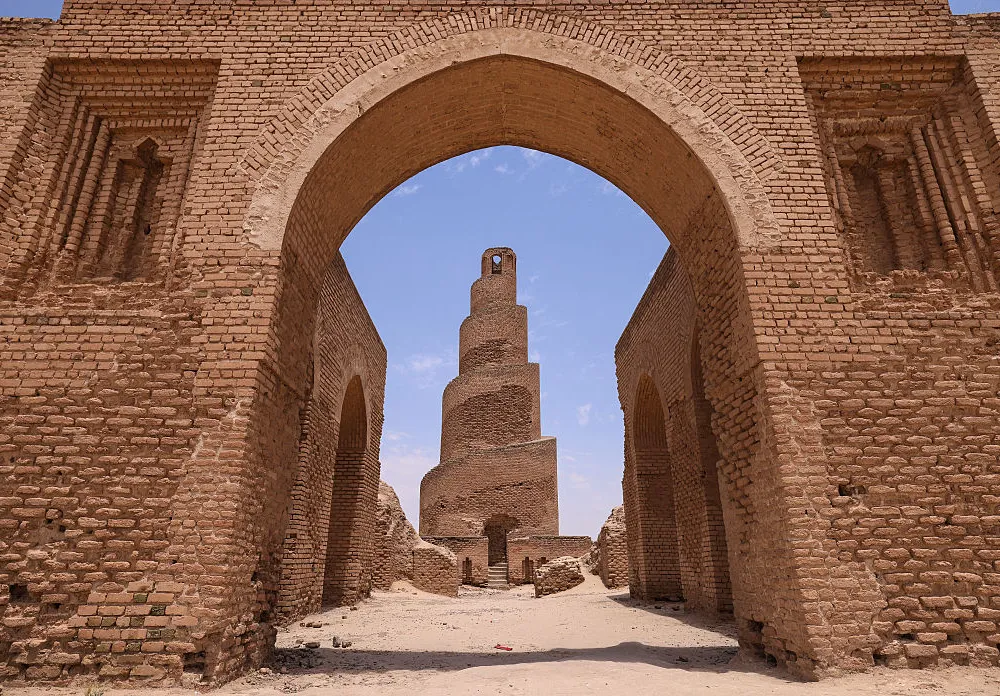
One of those sites reportedly included Samarra, the capital of the Abbasid Empire in the ninth century, which Tabar had surveyed. The survey indicated that there were a large number of Christian churches and monasteries found among the mosques and caliphate palaces; despite these findings, however, the area was bulldozed earlier this year.
Tabar reportedly raised the matter with the state’s Integrity Commission, public prosecution service, and the police before posting about it on social media.
Mosul University professor Amir Al-Jumaili, who, according to Iraqi media reports, has also publicly criticized SBAH’s land seizure in Nineveh, the historically significant capital of the Neo-Assyrian Empire, was also reportedly arrested. It remains unclear whether Al-Jumaili has been released or is awaiting trial.
Read More About:
- archaeology
- Iraq